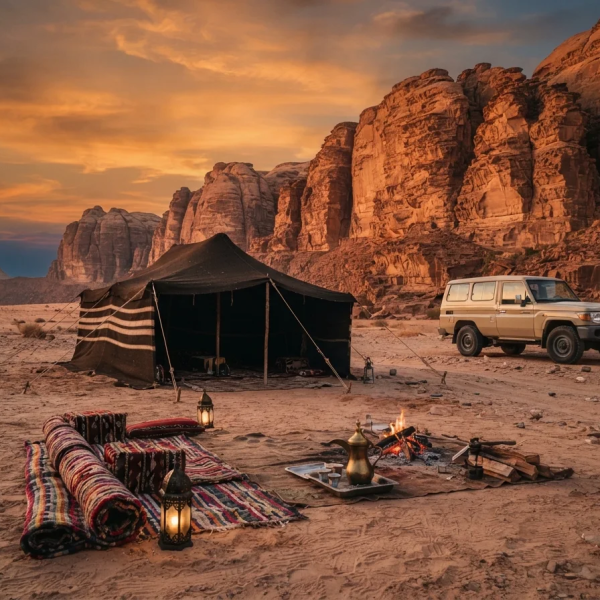
Deserts, canyons, coral reefs and mountain trails across the Arab world draw a growing number of adventurers from English speaking countries. They climb in Jordan, dive in the Red Sea, ride camels in Oman, trek in Morocco's Atlas Mountains and sleep in desert camps under a sky full of stars. Behind every successful trip are guides, outfitters and tour companies who must explain routes, risks and rules to guests who do not speak Arabic. In the outdoors, a clear sentence can be the difference between a memorable day and a dangerous one. Practical Arabic English translation for adventure travel makes safety briefings, route notes and booking terms clear, so that guests can enjoy wild places with confidence. This article looks at the texts that outdoor operators most often need in English.
Safety briefings and emergency instructions
Safety information should be the clearest text in any adventure business. A briefing explains what to wear, how much water to carry, how to follow the guide, what signals to use and what to do if someone is injured or lost. Sentences must be short and direct, with one instruction each, and the English version should match the Arabic one exactly. Numbers for emergency services and the address of the nearest clinic should be easy to find. A laminated card with pictures works better than a long paragraph that guests read once and forget.
Many operators now deliver that briefing as a short video shown before departure, so guests can see the equipment and the route as well as hear the instructions. The video only works for English-speaking guests when the narration and captions are translated accurately and timed to the pictures, which is where specialist video translation services come in, covering subtitles, voice-over and timing for safety briefings and trip films alike. A clearly translated briefing means guests start the trip understanding the risks, instead of discovering them halfway up a trail.
Route descriptions, maps and local names
Arabic place names have many possible spellings in English, and the same valley or wadi may appear in three different forms on three different maps. Choose one spelling for each name, record it in a style sheet and use it in every brochure, itinerary and sign. Route notes should give distances, times, altitude, difficulty and landmarks, with a short description of the terrain. Operators who need arabic english translation for itineraries and guides should send the translator maps and photographs, because a translator who sees the landscape can choose better words.
Booking terms, waivers and insurance
Before a trip, guests sign a booking agreement and often a waiver of liability. These documents describe what is included, what is not, how payment works and what happens if the weather or security conditions change. They carry legal weight and should be translated with the help of a qualified reviewer. Insurance papers, medical declarations and age limits must also be clear. Offer guests the English version before they pay, so they can ask questions, and keep a signed copy of both language versions on file.
Desert camps, culture and hospitality
Many guests are curious about the traditions they meet, such as coffee ceremonies, shared meals and greetings. A short guide in English can explain what to expect, how to accept or decline an offer politely, what to wear in villages and how to behave around religious sites. Use warm and respectful language, and avoid clichés. Our article on English to Romanian translation shows how consistent terms and a clear style sheet keep guest information aligned across languages, which suits any tour company that works in several markets.
Diving, climbing and equipment
Specialised activities use specialised words. Diving briefings must follow recognised English terms for depth, time and signals, and climbing guides should use standard names for grades, knots and equipment. Rental forms need accurate descriptions of items, sizes and condition. Do not translate technical terms word for word without checking them with an instructor, since a wrong term in a safety context can cause confusion. Keep a glossary approved by the chief guide, and update it whenever new equipment or techniques are introduced.
Weather, seasons and environmental rules
Heat, cold, flash floods and sandstorms are real risks, and guests need to understand seasonal advice, such as the best months for each activity and the times of day to avoid. Rules about protected areas, waste, fires, plants and animals should be explained with reasons, because guests are more likely to follow rules they understand. Translate park notices and permit conditions exactly, and add a short summary of the main points. Always show the date of the information, since conditions and regulations can change.
Websites, reviews and trust
Adventure travellers research carefully, read reviews and compare operators. An English website should be honest about difficulty, group size, fitness requirements and cancellation terms, and it should show real photographs of the routes and camps. Reply to reviews quickly and politely, and learn from complaints. Consistent names, prices and descriptions across the website, brochures and social media signal professionalism. When guests trust the words, they trust the guides, and they are more likely to return for another journey and recommend it to friends.
Where to read more
For a neutral overview of one of the region's best known adventure destinations, see the Wikipedia article on Wadi Rum, which describes its landscape, history and visitors.